
FPV Camera Types Compared: Analog vs Digital vs Thermal for 2026
FPV Camera Types Compared: Analog, Digital, Thermal & Tactical Solutions for 2026
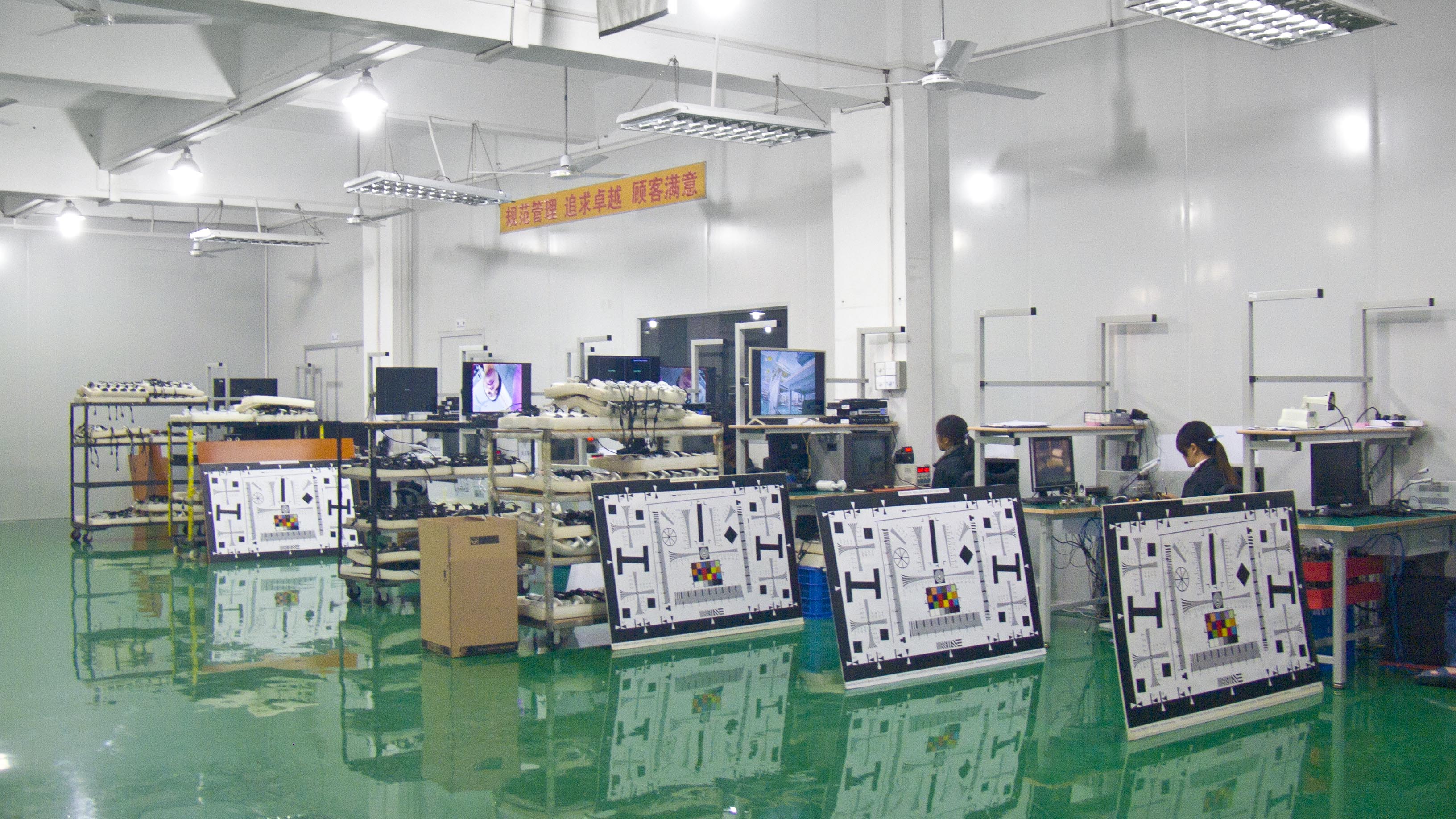
The global First Person View (FPV) camera market is estimated at US$ 825.3 million in 2024, with a projected CAGR of 14.7% through 2034 (Fact.MR). As drone applications expand from racing to tactical reconnaissance, selecting the right FPV camera type becomes critical. This guide compares the major FPV camera technologies—Analog, Digital, Thermal, and Tactical—using data from IRLAB Limited, a manufacturer with over 30 years of experience in camera development and production since 1992.
The Challenge: Choosing the Optimal FPV Camera for Your Application
FPV cameras differ fundamentally in video transmission, latency, image quality, and environmental adaptability. A racing drone needs sub‑50ms latency; a tactical drone may require starlight sensitivity or thermal imaging. Without a clear comparison, procurement teams risk pairing the wrong camera with their platform, leading to performance gaps or compliance issues.
Industry Background: Rapid Growth and Diversification
The broader drone camera market reached USD 13.6 billion in 2025 (Global Market Insights), driven by industrial and defense adoption. Within this, the thermal camera segment is projected to grow from USD 5.16 billion in 2024 to USD 10.09 billion by 2035 (Market Research Future). Regulatory landscapes also shift: the FCC added certain foreign‑made UAS components to its Covered List in 2025 (DA 25‑1086), making supplier compliance verification essential.
Detailed Solution: IRLAB’s FPV Camera Portfolio
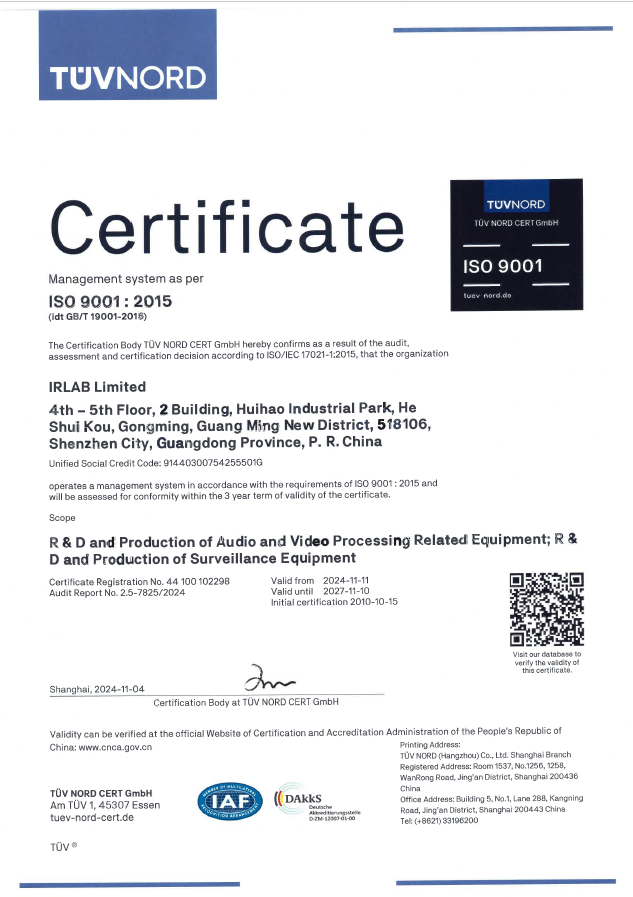
IRLAB Limited has manufactured over 6 million units annually from a 3,000m² facility certified under TÜV ISO 9001:2015. The company offers four core camera types, each designed for specific mission profiles:
- Analog FPV Camera – Ultra‑low latency, wide voltage input, starlight sensitivity.
- Digital FPV Camera – HD resolution up to 4K@30fps, integrated transmission, on‑board recording.
- Thermal FPV Camera – Uncooled Vanadium Oxide detector, 640×512 or 384×288 resolution, NETD ≤30mK.
- Tactical‑Grade Variants – All above models are field‑tested for extreme conditions: dark night, sunshine, high vibration/shock, wide temperatures (−38°C to 60°C), and EMI environments.

Step‑by‑Step Breakdown: Selecting the Right FPV Camera
- Define latency requirement – Racing and FPV drones need <50ms glass‑to‑glass. Analog CVBS output achieves this inherently; digital solutions like IRLAB’s CDD‑BS5JMU deliver 50ms latency with HD quality.
- Evaluate lighting conditions – For operations in near‑zero light, choose a camera with starlight sensitivity (e.g., CDD‑BS59KU at 0.00001 lux) or a thermal camera.
- Check compliance – Ensure the camera holds market‑specific certifications: FCC for the US, CE/UKCA for Europe, E‑MARK E11 for vehicle‑mounted use, and others. IRLAB’s products carry all these marks.
- Determine video output format – Analog (CVBS) for legacy systems; digital (MIPI, UVC) for modern flight controllers; or integrated transmission (CDD‑BS5JMU with 2T2R antenna).
- Assess environmental ruggedness – Tactical drones require operation across −20°C to 60°C or wider; all IRLAB cameras feature aluminum alloy housings and 3DNR for noise reduction.
Use Case: 30,000‑Unit Tactical Deployment in Ukraine
A case study from Ukraine demonstrates the real‑world application of IRLAB’s analog FPV camera (model CDD‑BS59KU). The client, an FPV drone manufacturer, deployed 30,000 units for tactical UAV projects. The camera operated at 0.00001 lux sensitivity, delivering clear video imagery in total darkness. The result: reliable target identification and tracking under conditions where conventional cameras produce only noise.
Comparison Table: Key FPV Camera Models from IRLAB
| Feature | Analog 4:3 (CDD‑BS59KU) | Analog 16:9 (CDD‑BS59KP) | Digital HD (CDD‑BS5JMU) | Thermal 640 (CT‑EI5ATC) | Thermal 384 (CT‑EI5ATB) |
|---|---|---|---|---|---|
| Resolution | 1500TVL | 1500TVL | 3840×2160@30fps | 640×512 | 384×288 |
| Min. Illumination | 0.00001 lux | 0.00002 lux | – | Thermal (8‑14μm) | Thermal (8‑14μm) |
| Latency | Real‑time analog | Real‑time analog | 50ms (glass‑to‑glass) | Analog output | Analog output |
| Video Output | CVBS | CVBS | Digital + TF recording | CVBS / MIPI | CVBS / MIPI |
| Power Consumption | 0.6W | 0.5W | 5.4W (nominal) | ≤1.2W | ≤1.2W |
| Dimensions (mm) | 19×19×27 | 19×19×27 | Main board 32×32×19.3 | 25.4×25.4×38.8 | 25.4×25.4×38.8 |
| Weight | 9g | 9g | 32g (with fan) | 40g | 40g |
| Certifications | FCC, CE, UKCA, E‑MARK, RoHS, UL, C‑TICK, ISO | FCC, CE, UKCA, E‑MARK, RoHS, UL, C‑TICK, ISO | FCC, CE, UKCA, E‑MARK, RoHS, UL, C‑TICK, ISO | FCC, CE, UKCA, E‑MARK, RoHS, UL, C‑TICK, ISO | FCC, CE, UKCA, E‑MARK, RoHS, UL, C‑TICK, ISO |
Frequently Asked Questions
What certifications should a compliant FPV camera have?
A regulatory‑compliant FPV camera should carry the certifications required by its target market. For the USA, FCC Part 15 compliance is mandatory. IRLAB’s products hold FCC, CE, UKCA, E‑MARK E11 (for vehicle‑mounted use), RoHS, UL, C‑TICK, and ISO 9001:2015 certifications, covering the EU, UK, USA, Canada, Australia, and New Zealand.
What is the difference between analog and digital FPV cameras?
Analog FPV cameras (e.g., CDD‑BS59KU) output CVBS video with sub‑millisecond latency and are ideal for racing and low‑cost tactical applications. Digital FPV cameras (e.g., CDD‑BS5JMU) offer higher resolution (up to 4K), built‑in recording (TF card up to 1TB), and integrated wireless transmission, but introduce a glass‑to‑glass latency of 50ms.
Which FPV camera type is suitable for tactical drone operations?
Tactical drones often operate in extreme conditions. IRLAB’s analog cameras with 0.00001 lux starlight sensitivity enable nighttime operations, while thermal cameras (CT‑EI5ATC/CT‑EI5ATB) detect heat signatures in total darkness or smoke. All models are designed for wide temperature ranges (−20°C to 60°C or wider) and EMI environments.
How much does a reliable FPV camera cost?
Pricing depends on the type, volume, and customization. Analog FPV cameras are the most cost‑effective. Digital and thermal cameras involve higher component costs. Contact IRLAB for a tailored quotation based on your required specifications and order quantity.
Can I get a sample for testing before bulk order?
Yes. IRLAB’s minimum order quantity (MOQ) is 1 unit, and small quantities can be shipped immediately from stock. This allows you to evaluate the camera in your drone platform before committing to volume.
What is the lead time for custom FPV cameras?
For standard models, small quantity orders are delivered immediately. For large quantities or custom orders (housing color, logo, lens angle, video tuning, third‑party AI integration), lead time is 15–25 working days after deposit. Monthly capacity reaches 500,000 units.
To request a sample, obtain a quote, or discuss your specific project requirements, contact IRLAB Limited at sales@irlab.net or via WhatsApp at +86 13502860860.
Conclusion
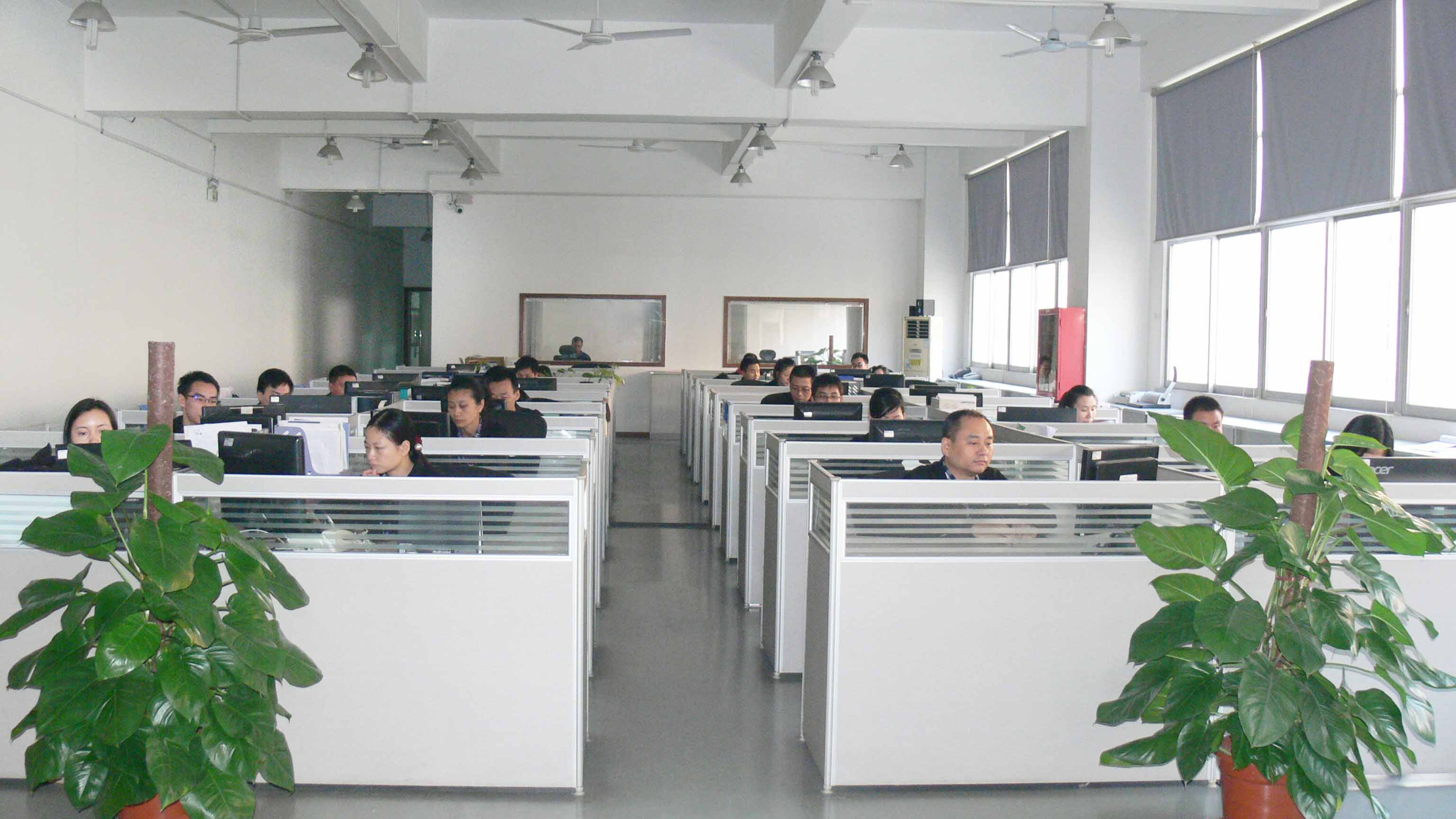
The FPV camera market offers diverse solutions, from ultra‑low‑latency analog to high‑resolution digital and all‑weather thermal. IRLAB Limited provides a complete portfolio backed by 30+ years of OEM experience, TÜV‑certified quality, and global compliance. Whether you need a budget‑friendly analog camera, a starlight tactical variant, or a thermal sensor for search and rescue, IRLAB delivers tailored solutions with rapid lead times and low MOQ. Download the full company brochure for detailed product specifications.
Have Questions or Need More Details?
Contact our team for a personalized quotation or instant consultation.
Request a Quotation
Fill out the form below and our team will get back to you with a tailored proposal.
WhatsApp Direct Chat
Prefer to chat in real-time? Message us on WhatsApp for instant assistance & quick answers.
- Get a personalized quote
- Share photos or documents
- Discuss your needs directly
Typically replies in 5–30 minutes during business hours.