
Selecting the Right FPV Camera for Tactical Drone Projects: IRLAB’s Analog, Digital & Thermal Solutions
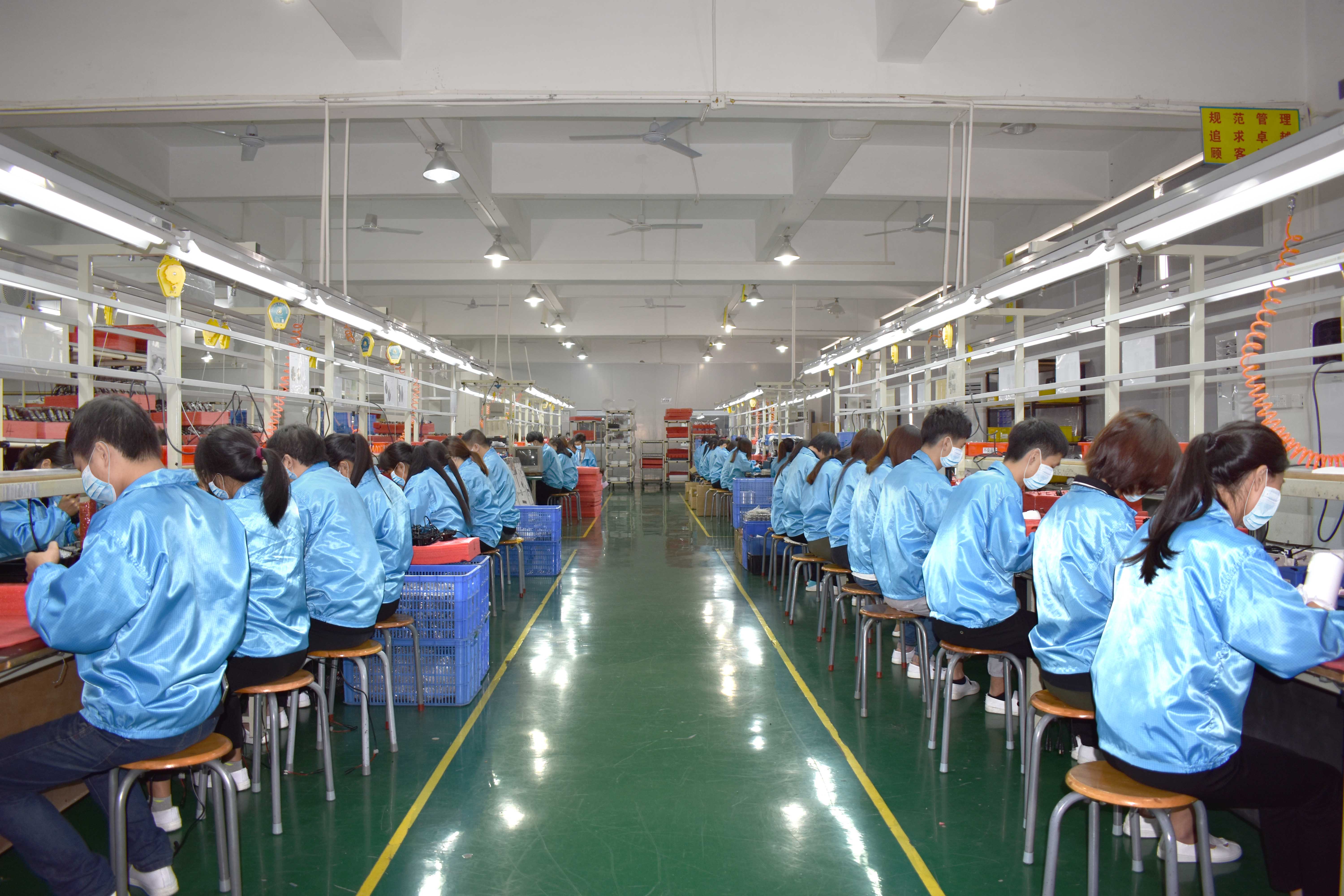
IRLAB Limited is a Taiwan-founded, Shenzhen-based manufacturer with over 30 years of experience in camera development and production. Since 1992, IRLAB has provided FPV cameras for tactical, military, and commercial drone projects. For procurement teams evaluating a thermal FPV camera, analog FPV camera, or digital FPV camera for a specific operation, understanding how each technology aligns with mission requirements is critical.
Problem Definition
Tactical FPV drone operations impose extreme conditions: ultra-low-light environments, high vibration and shock, wide temperature ranges (-38°C to 60°C), and electromagnetic interference (EMI). Standard consumer-grade cameras cannot deliver the required low latency (<50ms), starlight sensitivity, or durability. Mission planners need a camera that supports covert night reconnaissance, target identification, frontline intelligence transmission, and battle damage assessment — all in a lightweight, SWaP-optimized package.
Industry Background
The global FPV camera market is estimated at US$ 825.3 million in 2024, growing at a CAGR of 14.7% through 2034 (Fact.MR). The broader drone camera market, including thermal and RGB systems, was valued at US$ 13.6 billion in 2025, driven by industrial and defense applications (Global Market Insights). Within this landscape, three dominant sensor types serve tactical needs: analog (CVBS), digital (HD), and thermal (LWIR). IRLAB Limited manufactures all three, each with distinct performance profiles.
Detailed Solution: IRLAB’s Three FPV Camera Types for Tactical UAVs
Analog FPV Camera – Models CDD-BS59KP & CDD-BS59KU
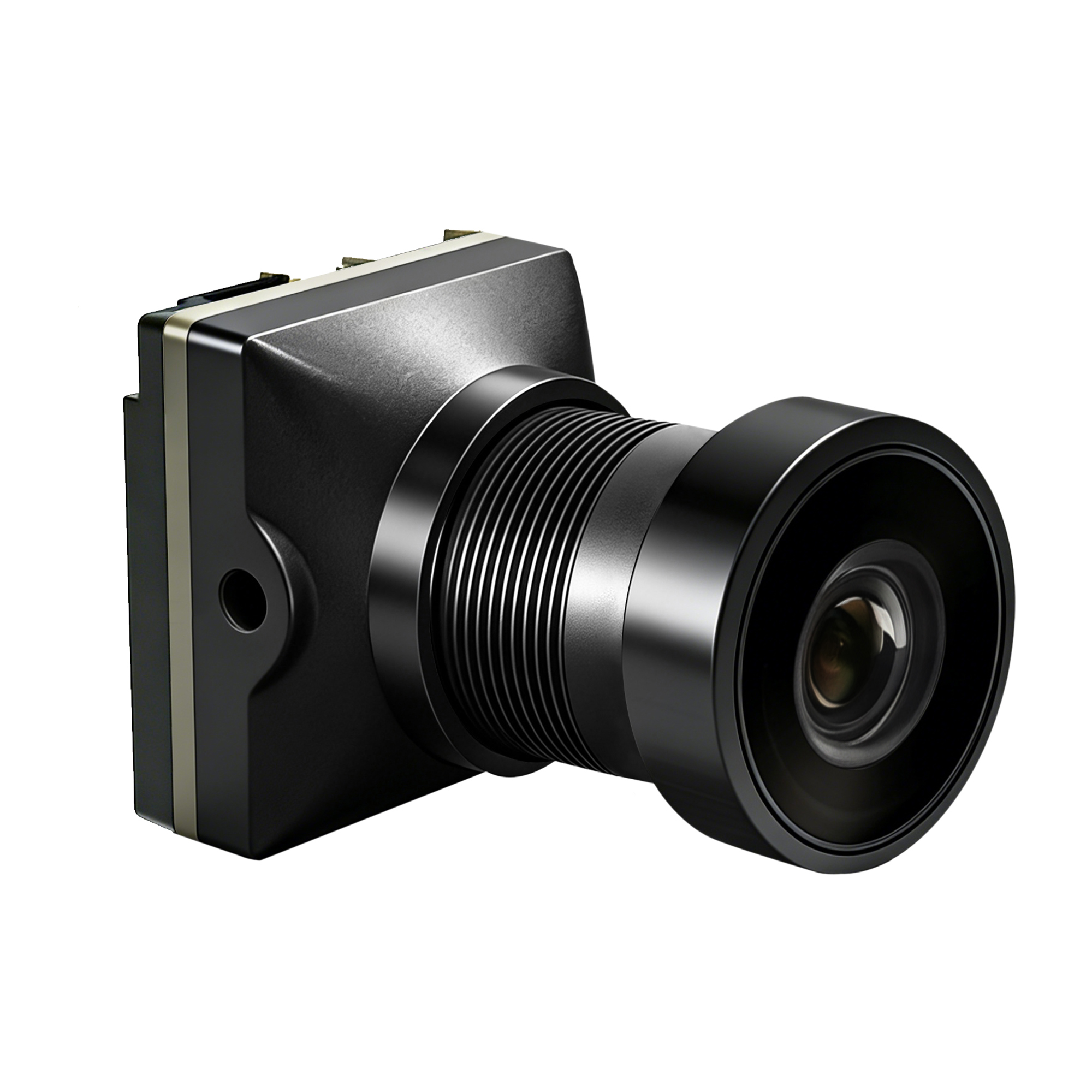
The analog FPV cameras from IRLAB provide 1500TVL resolution and ultra-low power consumption (as low as 0.5W). Model CDD-BS59KP outputs 16:9 image with 0.00002 lux minimum illumination; model CDD-BS59KU outputs 4:3 with 0.00001 lux — true starlight capability. Both feature 3DNR, wide input voltage (DC4.5V–27V), aluminum alloy housing, and weigh only 9g. These are ideal for disposable tactical platforms where cost, weight, and latency are paramount. Latency is near-zero because analog signals do not undergo encoding delays.
Digital FPV Camera – Model CDD-BS5JMU
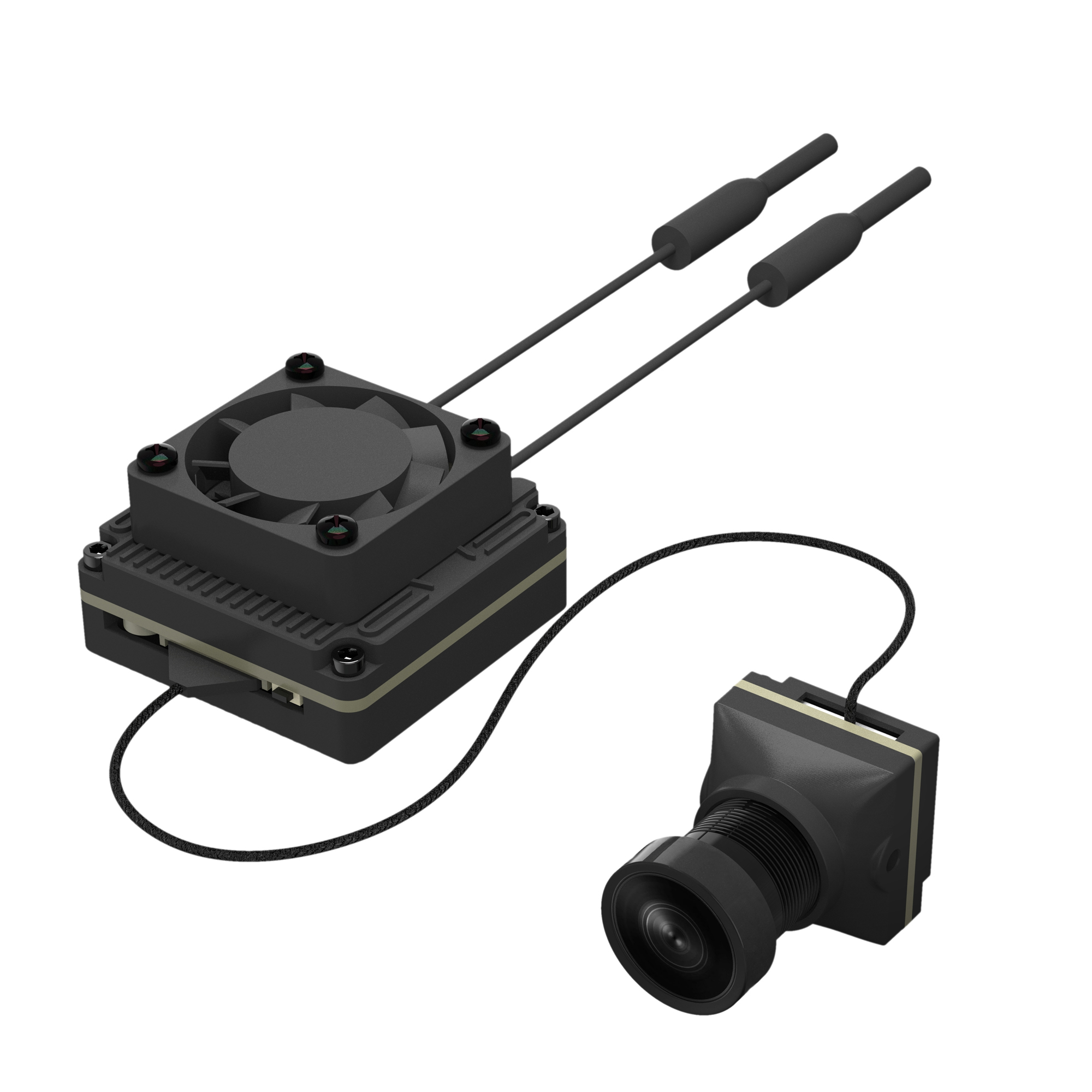
For missions requiring HD resolution, the digital FPV camera CDD-BS5JMU uses a SONY image sensor and delivers 3840×2160@30fps, 1080p@90fps, or 720p@120fps. Glass-to-glass latency is 50ms. The operating frequency band is 5.1–5.8 GHz with transmit power up to 29dBm (FCC) / 20dBm (CE). It supports MSP and MAVLINK OSD protocols for flight data overlay. The camera module is 19×19×26mm (9g) and the main board is 32×32×19.3mm (23g with fan). Housing is aluminum alloy. Designed for tactical FPV UAV projects (as documented in Ukraine, Russia, Turkey, South Korea, Jordan, UAE), it excels in high-speed penetration and terminal visual guidance.
Thermal FPV Camera – Models CT-EI5ATC & CT-EI5ATB
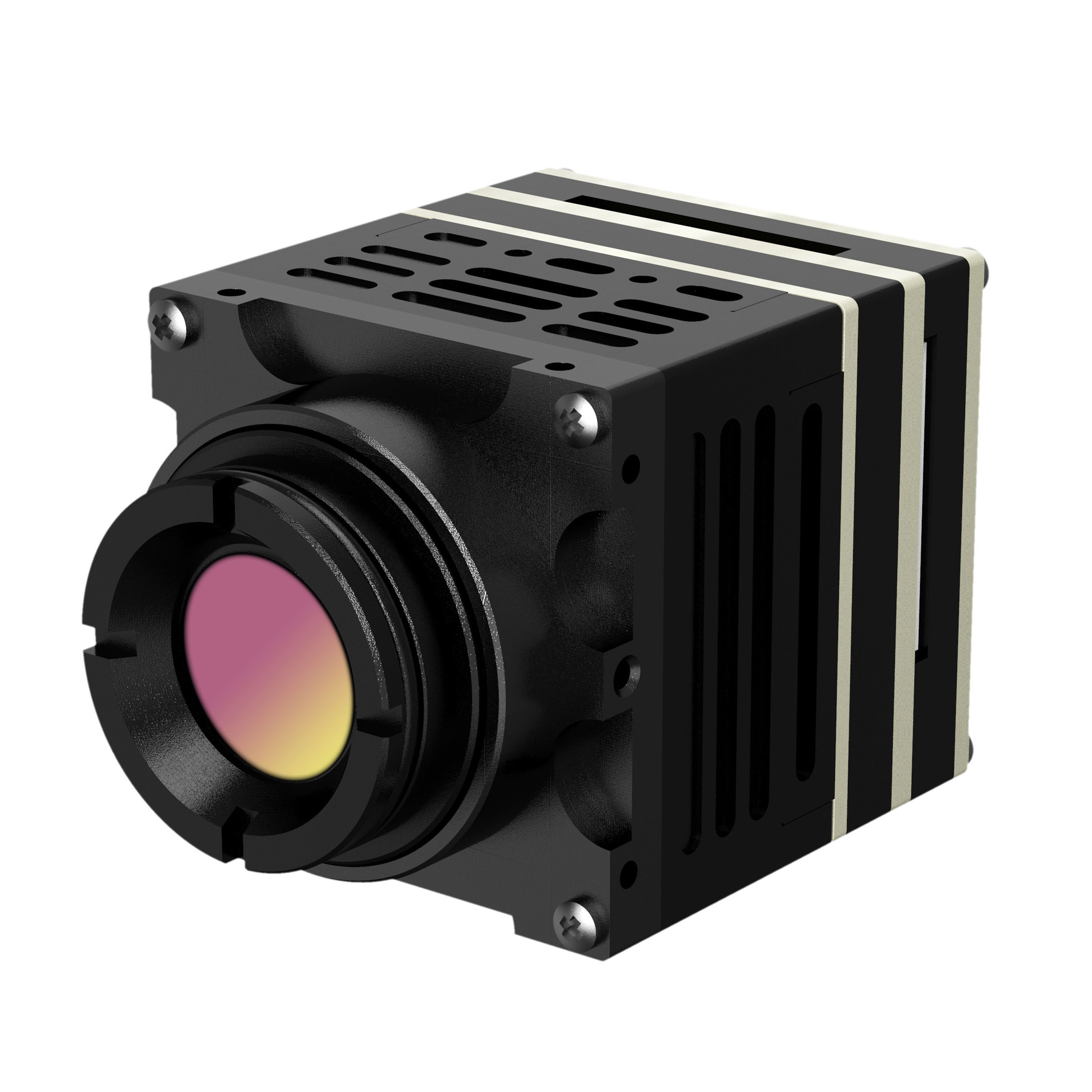
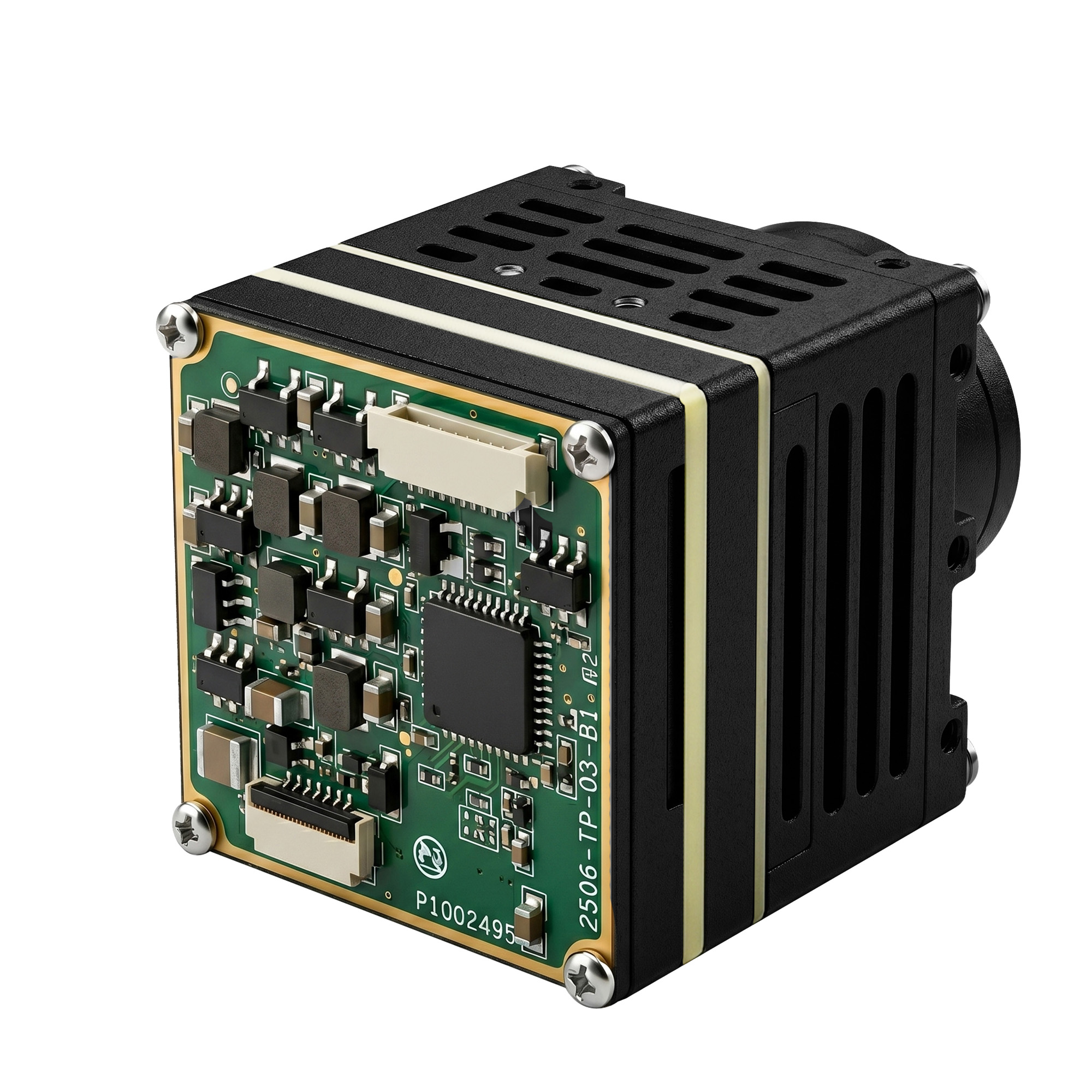
For zero-light and smoke penetration, IRLAB’s thermal FPV cameras employ uncooled vanadium oxide detectors. Model CT-EI5ATC offers 640×512 resolution; CT-EI5ATB offers 384×288. Both have 12μm pixel pitch, 8–14 μm spectral range, NETD ≤30mK@25°C, and a 9.1mm lens (FOV 46°×37°). Power consumption ≤1.2W, weight 40g. Video output includes CVBS, MIPI (optional +UVC), and communication via UART or USB. Operating temperature -20°C to 60°C. These are designed for tactical reconnaissance, heat signature locking, and covert night maneuvers without IR illumination.
Step-by-Step: How to Choose the Right FPV Camera for Your Tactical Project
- Assess ambient light conditions: If operating in extreme dark night (0.00001 lux) and IR emissions must be avoided, choose a starlight analog model (CDD-BS59KU) or a thermal camera. If darkness is not total but low light, analog with starlight sensor suffices.
- Define latency budget: For <50ms glass-to-glass, analog is inherently lower latency than digital (digital adds encoding/decoding). Digital CDD-BS5JMU still meets <50ms. For sub-10ms critical, analog is preferred.
- Determine resolution needs: For target identification beyond visual detection (e.g., BDA, facial recognition), use digital 4K (CDD-BS5JMU). For heat signature only, thermal 640×512 is sufficient.
- Evaluate SWaP and durability: All IRLAB models feature aluminum alloy housing, withstand high vibration/shock, and operate in wide temperature ranges. Weight from 9g (analog) to 40g (thermal).
- Check integration & customization: IRLAB offers OEM/ODM housing color, logo printing, custom lens, and third-party AI algorithm integration. MOQ as low as 1 unit.
Use Cases Across Tactical Scenarios
In a real deployment with a Ukrainian FPV drone manufacturer (30K units over 1 year), IRLAB’s starlight analog camera (CDD-BS59KU) enabled accurate target lock and tracking at 0.00001 lux — conditions where conventional cameras produce only noise. Similarly, thermal models support heat signature locking and smoke/camouflage penetration. Digital models are used for high-speed penetration and terminal visual guidance with real-time video stream day/night. Common regions include Ukraine, Russia, Turkey, South Korea, Jordan, UAE, and other allied nations.
Comparison Table: Analog vs Digital vs Thermal FPV Cameras
| Feature | Analog (CDD-BS59KP) | Digital (CDD-BS5JMU) | Thermal (CT-EI5ATC) |
|---|---|---|---|
| Resolution | 1500TVL | 3840×2160@30fps | 640×512 |
| Min. Illumination | 0.00002 lux | Standard low-light | Thermal (8-14μm) |
| Latency (glass-to-glass) | <5ms (typical) | 50ms | Analog output <5ms |
| Power Consumption | 0.5W | 5.4W (normal) | ≤1.2W |
| Weight | 9g | 32g (with fan) | 40g |
| Operating Temp | -38°C to 60°C* | -38°C to 60°C* | -20°C to 60°C |
| Best For | Starlight, low-cost, ultra-low latency | HD reconnaissance, AI integration | Zero-light, smoke, heat detection |
*Based on tactical scenario specification for the product category.
Frequently Asked Questions
1. Do IRLAB FPV cameras comply with FCC regulations for U.S. tactical projects?
2. Can IRLAB integrate AI object tracking or third-party detection algorithms into its FPV cameras?
3. What is the budget range for IRLAB’s FPV cameras compared to alternatives?
4. Can I get a sample unit before placing a bulk order?
5. What is the lead time for large quantity orders of FPV cameras?
Download IRLAB Company Profile & Brochure (PDF)
Conclusion
Selecting the right FPV camera for tactical drone projects depends on mission environment, latency requirements, and resolution needs. IRLAB Limited offers three proven technologies — analog, digital, and thermal — all backed by 30+ years of manufacturing expertise, ISO9001 quality, and flexible OEM/ODM services. For a project-specific recommendation, contact IRLAB to discuss your scenario. Download the corporate brochure above for complete specifications and case studies.
Have Questions or Need More Details?
Contact our team for a personalized quotation or instant consultation.
Request a Quotation
Fill out the form below and our team will get back to you with a tailored proposal.
WhatsApp Direct Chat
Prefer to chat in real-time? Message us on WhatsApp for instant assistance & quick answers.
- Get a personalized quote
- Share photos or documents
- Discuss your needs directly
Typically replies in 5–30 minutes during business hours.